Low maintenance. Drought resistant. Fragrant. Grown for its magnificent silver-white foliage. Reseeds.
Artemisia ludoviciana, commonly known as Prairie Sage or White Sagebrush, is a native perennial herbaceous plant found in various regions of North America, particularly in the central and western parts of the continent. This resilient and aromatic plant is a member of the Asteraceae family.
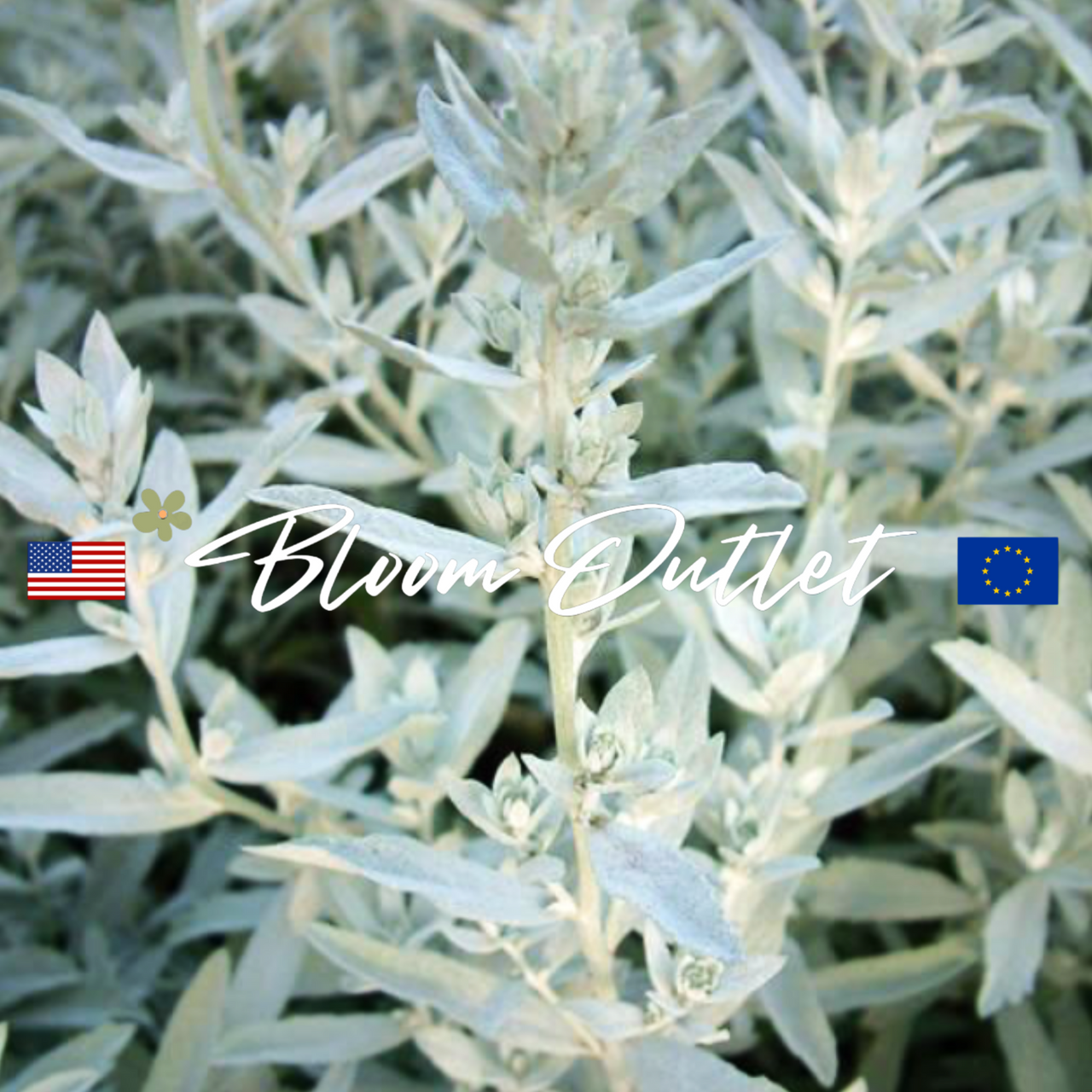
Key characteristics of Artemisia ludoviciana include its silvery-gray foliage, which consists of finely divided leaves that emit a strong, sweet, and somewhat bitter fragrance when crushed. The plant typically grows to a height of 1 to 3 feet (30 to 90 cm), with a bushy and somewhat woody base.
Prairie Sage is well adapted to the dry and arid conditions of the prairies and plains, making it a valuable plant for xeriscaping and drought-tolerant gardening. It is often used for its ornamental qualities, adding a touch of silver-gray color and unique texture to landscaping.
In addition to its ornamental uses, Artemisia ludoviciana has historical and cultural significance among Indigenous peoples who have used it for various medicinal and ceremonial purposes. However, it's important to note that Artemisia ludoviciana is distinct from the White Sage (Salvia apiana) used in Native American smudging ceremonies, despite some shared common names.
Artemisia ludoviciana, or Prairie Sage, is a versatile and attractive plant valued for its adaptability, aromatic qualities, and aesthetic appeal in both natural and cultivated settings.
USES: Mass plantings, Erosion control, Rock gardens, Deer and rabbit resistant. Groundcover. Beds. Borders. Herb gardens. Cottage gardens. Patio and Containers.
Botanical Name: Artemisia ludoviciana
Common Name: Prairie Sage, White Sagebrush, Silver Wormwood
Type: Perennial (spreads by rhizomes)
Flower Color: Yellow
Flowering Season: Spring, Summer
Plant Height: 1-3 ft (30-90 cm)
Plant Spread: 1-3 ft (30-90 cm)
Plant Spacing: 24-36 in (60-90 cm)
Light Requirements: Full Sun
Water Requirements: Average, Dry
Soil Requirements: Well-drained. Average, Poor, Moderately fertile
USDA Zones: 4-9